The institutions behind the evidence
MyantX doesn’t just cite research — we’re named on it. Universities and hospitals co-author the peer-reviewed work behind our claims, and every study is linked.

Who we publish with
Nine universities and hospitals are named alongside MyantX on peer-reviewed work — grouped here by what each one helped validate.









Academic
- University of TorontoTextile electrodes, biosignal acquisition & advanced materialsPeer-reviewed co-author
- McMaster UniversityBiomedical textile researchPeer-reviewed co-author
- University of WaterlooGait analysis & biomechanics from smart garmentsPeer-reviewed co-author
- University of AlbertaTextile neurostimulation electrodesPeer-reviewed co-author
Clinical & hospital
- The Hospital for Sick Children (SickKids)Pediatric cardiac monitoringPeer-reviewed co-author
- KITE Research Institute — UHNNeurostimulation & rehabilitation — FES/NMES garments, balancePeer-reviewed co-author
- Holland Bloorview Kids Rehabilitation HospitalRehabilitation & inertial-sensor researchPeer-reviewed co-author
- Feinstein Institutes for Medical Research (Northwell Health)Closed-loop NMES for grasp restorationPeer-reviewed co-author
- Mayo ClinicClinical cardiac-monitoring researchConference co-author
Relationship labels reflect the associated publication or public record; institution marks are drawn from public sources.
The flagship studies
Three collaborations — each one traceable to a published, peer-reviewed paper.
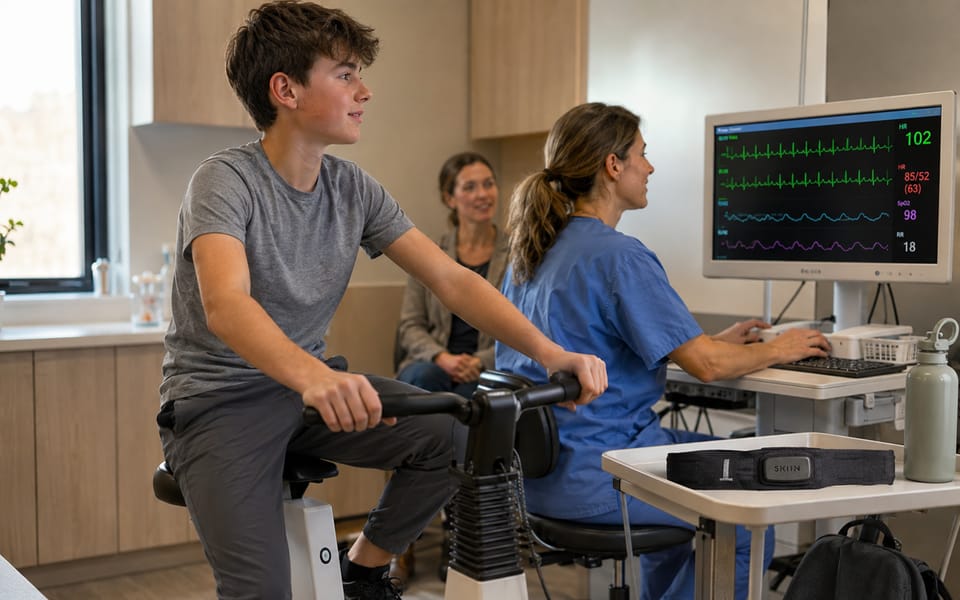
The Hospital for Sick Children (SickKids)
A knitted SKIIN™ garment tracked heart rate in 20 children as accurately as a hospital ECG — at rest and during exercise.
CJC Pediatric and Congenital Heart Disease · 2023Read the paper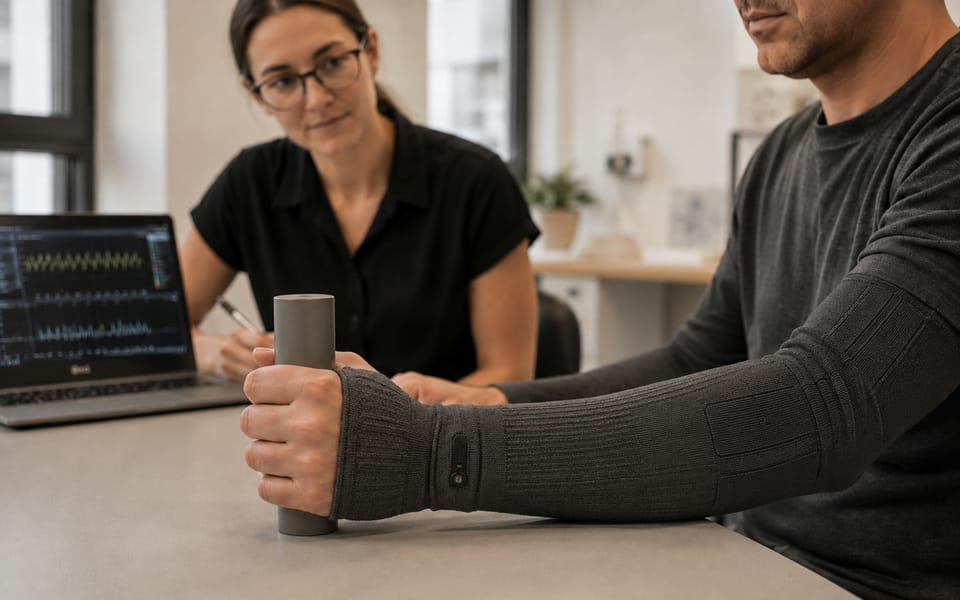
Feinstein Institutes for Medical Research (Northwell Health)
Textile electrodes let a person with paralysis grip and hold an object — the garment sensed the motion and adjusted the stimulation in real time.
Bioelectronic Medicine · 2019Read the paper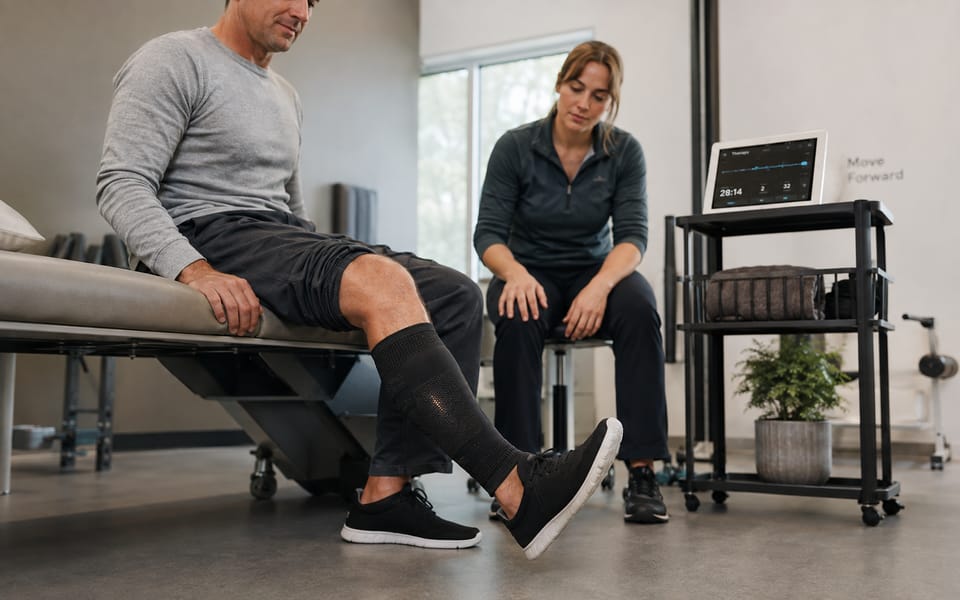
KITE Research Institute (UHN)
A knitted garment delivered the kind of nerve-stimulation therapy that normally needs clinic gel-pad electrodes.
J. Rehabilitation and Assistive Technologies Engineering · 2019Read the paper


Prove it with us
A new class of technology is only as strong as its evidence.